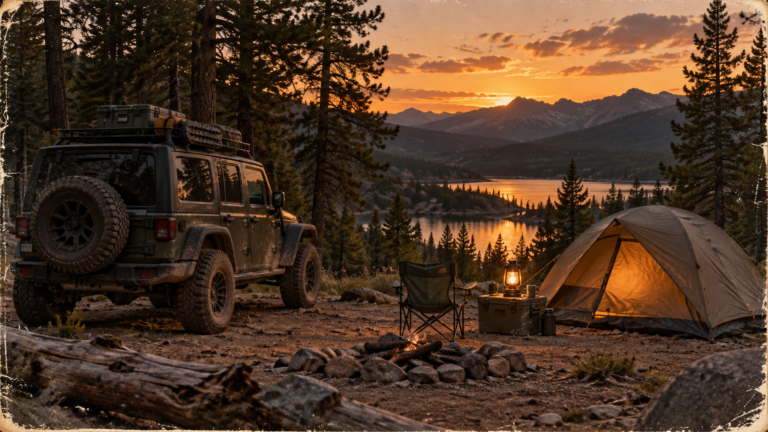
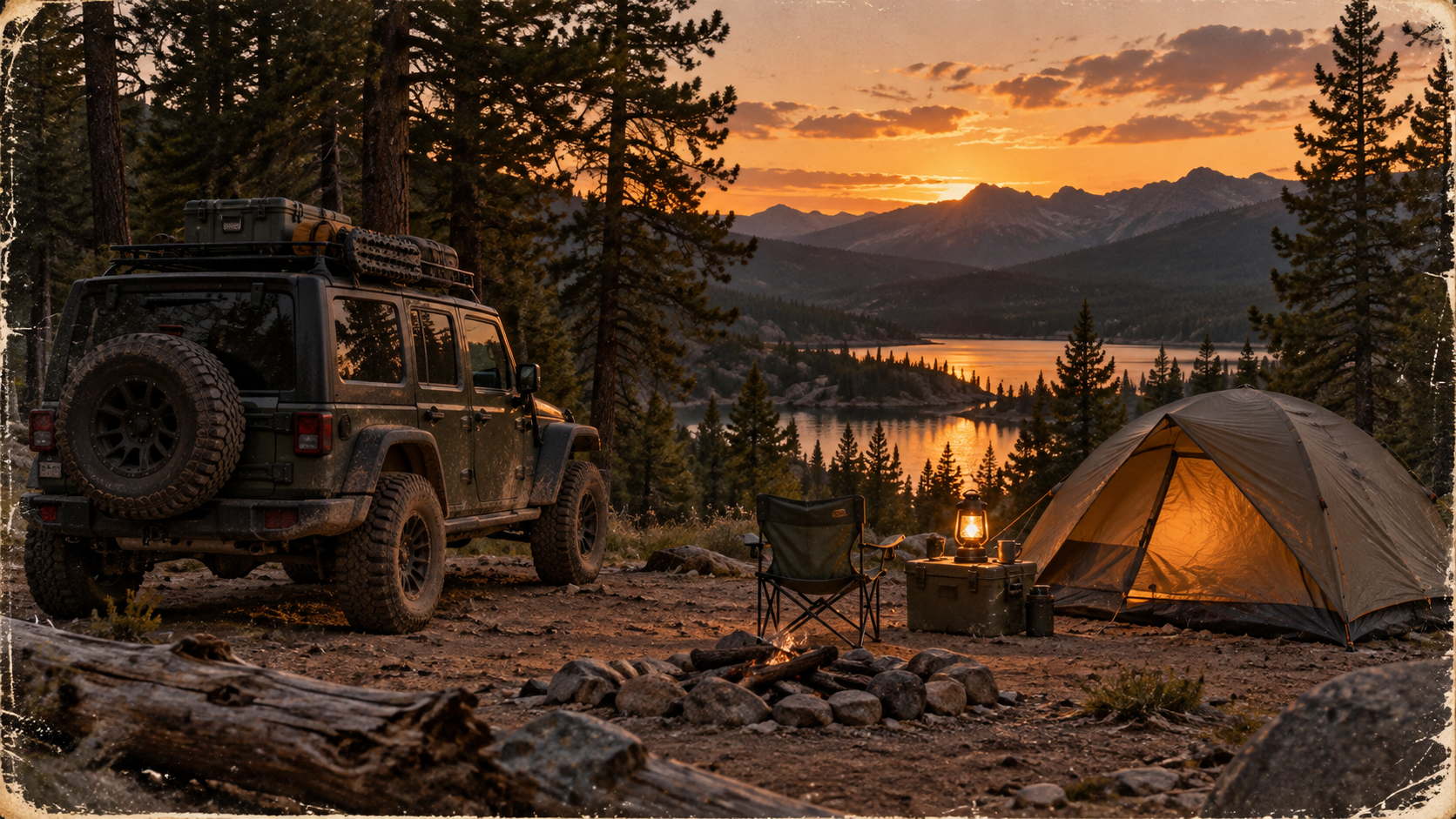
A rooftop tent can look like the missing piece of an adventure vehicle. It may be useful for some travelers, but the purchase makes more sense after you know how you actually camp. One simple overnight trip will reveal whether your main problem is shelter setup, sleep comfort, campsite access, weather protection, or something else entirely.
As an Amazon Associate I earn from qualifying purchases. Some product links in this article are affiliate links.
For that trial overnight, a ground tent such as the Coleman Sundome ground tent gives you a concrete alternative to price and pack against a rooftop system. Check its actual floor space and the weather forecast; one trip will reveal which inconvenience, if any, a rooftop tent would solve.
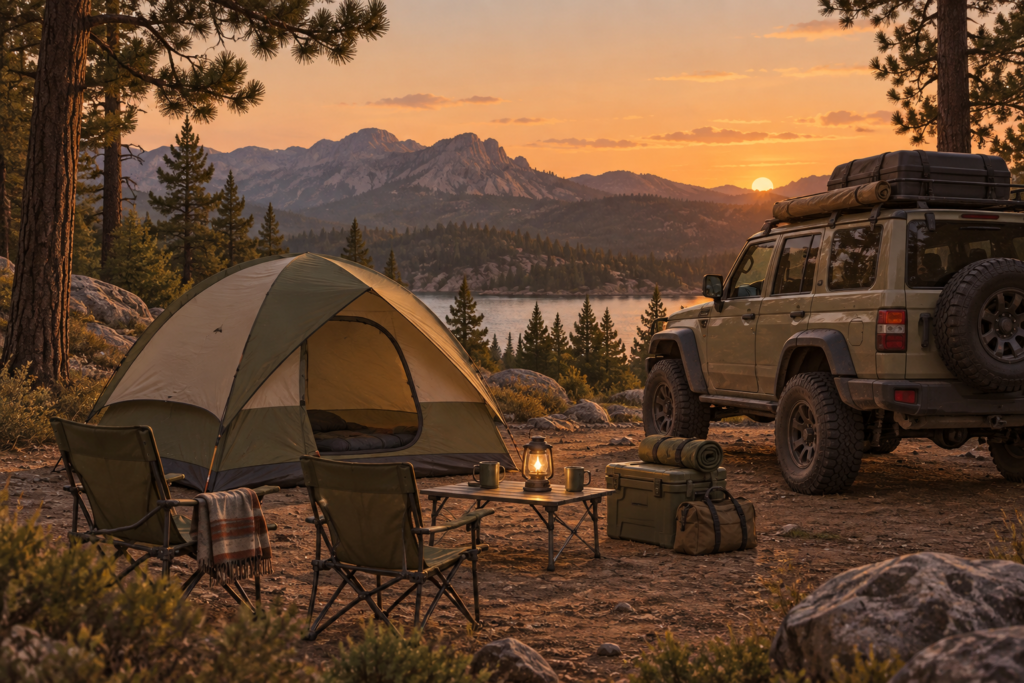
Learn your camping pattern first
Pick a legal, easy-to-reach site and camp with a modest shelter you already own or can borrow. Notice how long setup takes, what you need after dark, and whether the group stays at one site or wants to drive away during the day. A vehicle-attached sleeping setup affects the way you use the vehicle once camp is established; that matters more than its showroom appearance.
The National Park Service recommends matching gear to the setting, season and trip length, then testing it before departure. A home practice run can reveal missing stakes or an unfamiliar sleeping arrangement. An actual overnight adds the details a product page cannot supply: wind, wet gear, tired people and the morning pack-up.
Check the site and vehicle separately
Camping permission is a site question. A rooftop tent does not turn any pullout into a legal campsite. Check reservations, road access, fire restrictions, parking limits and food-storage rules with the land manager. Forest Service camping guidance shows why these details vary by district and location.
Vehicle fit is a different question. Before comparing tents, collect the exact vehicle, roof and rack documentation. Ask the tent and rack makers which combinations they approve, including installation requirements and load limits. Do not infer compatibility from a photo of a similar Jeep. If documentation is missing or ambiguous, a qualified installer can help identify what must be resolved before a purchase.
Compare the whole routine and cost
List the price of the tent, compatible rack, installation and any accessories required for the setup you intend to use. Include the practical cost of storage and removal if the vehicle is also a daily driver. The Federal Trade Commission advises comparing exact model information, total delivered cost, and return terms when shopping online. Those basics are especially useful for a bulky item that may be difficult to return.
Then compare the alternative you tested: a ground tent or other simple shelter, sleeping pads, and a campsite that suits the group. The point is not that the cheaper option always wins. It is to find out whether the rooftop design solves an observed problem well enough to justify the commitment.
Decide after the first morning
Write down what actually slowed you down: pitching shelter, sleep comfort, wet gear, access to the vehicle, or packing up. If the answer is a missing headlamp or poor site choice, a rooftop tent will not solve it. If a vehicle-based sleep system would materially improve a repeated trip pattern, you can now compare specific tents and installations against real needs.
There is no need to buy the most visible piece of camp gear first. A low-pressure first trip gives you a better specification than a gallery of completed builds.